Circular economy from design to reuse

Creating a product with recyclable materials and a design that considers future recycling is one of the key aspects of the circular economy. This approach not only reduces the environmental impact during the production and use phase, but also facilitates the management of the product at the end of its useful life, allowing it to be recovered and returned to the production cycle. Here is how to approach the design of a product from a recycling perspective.

Recyclable materials: Sustainability through material selection

Choosing easily recyclable materials: The first step in designing a circular product is the choice of materials. It is important to choose materials that are easily separable, reusable, and have a recyclable life cycle. For example:

  • Metals: Metals such as aluminum and steel are highly recyclable and can often be reused without loss of quality.
  • Plastics: Use mono-material plastics (such as PET or HDPE), which are easier to recycle than mixed plastics or plastics with additives that are difficult to separate.

Design for recycling: Making it easier to separate and recover materials

Modular and easily disassemblable designs: Designing products with easily separable components makes it easier to collect and separate materials during the recycling process. For example, design electronic devices that can be easily disassembled to separate metal, plastic, glass and other materials before recycling.

Facilitate post-consumer recycling

End of life recyclability: Designing with recycling in mind also means thinking about how the product will be handled at the end of its life. It is important that the product is easy to disassemble and that its materials can be separated easily and efficiently.

Economics of recycled materials

Use recycled materials in new products: Incorporating recycled materials into new products is one way to close the life cycle and promote the circular economy. For example, using recycled plastic or recovered metal to make new items is a practice that reduces the demand for virgin raw materials and lowers environmental impact.

Recycling innovation: Research and development of new recycling processes, such as recycling using densimetric technology, can increase the quality and variety of recycled materials, making it even easier and more beneficial to use recovered materials.

Collaboration between designers, manufacturers and recyclers

Partnerships with recycling equipment manufacturers: To ensure that product design is optimized for recycling, partnerships with our company–MG Recycling–are useful to provide feedback on how to improve material separation and processing, as well as to suggest practical solutions for end-of-life material recovery.

Conclusion

Designing a product with recycling in mind and using recyclable materials is essential to reduce environmental impact and contribute to the circular economy. Good design should facilitate material separation, extend the useful life of the product, encourage reuse, and ultimately ensure that the product is easily recyclable at the end of its life cycle. This promotes a sustainable industrial system that helps reduce waste and conserve natural resources.

Recent trends in metals prices: Focus on Copper

As industries around the world grapple with economic fluctuations and environmental challenges, understanding metal price trends has become increasingly important. Metal recycling not only contributes to sustainability, but also offers significant economic benefits, especially in the context of rising metal prices. This article examines the current trends in metal prices, with a particular focus on copper, one of the most valuable metals recovered through recycling.

The rise in copper prices

Copper has long been recognized as a critical metal in various industries, including construction, electronics and renewable energy. Recently, copper prices have experienced significant fluctuations. Currently, the price of copper is around €10/kg, a significant increase from around €4-5/kg prior to the COVID-19 pandemic. This increase reflects growing demand driven by infrastructure investment and the global transition to renewable energy technologies.

Factors influencing copper prices

  • Increased demand: The push for green technologies and electric vehicles has led to a surge in demand for copper. As countries commit to reducing carbon emissions, the need for copper in electrical wiring and renewable energy systems continues to grow.
  • Supply constraints: Recent geopolitical tensions and trade restrictions have impacted copper supply chains. Issues such as export restrictions from major producing countries can tighten supply and contribute to price increases.
  • Economic recovery: As economies recover from the pandemic, industrial activity has increased, further driving copper demand. The construction sector, a major consumer of copper, is experiencing renewed growth as infrastructure projects are prioritized.

Other metal price trends

While copper is currently in the spotlight, other metals are also experiencing price fluctuations:

  • Aluminum: Prices have slightly increased due to rising production costs and demand from various sectors.
  • Steel: Steel prices have been on a downward trend recently, influenced by changes in demand from the construction industry and economic conditions in major producing countries such as China.
  • Nickel and Zinc: These metals are expected to experience modest price increases due to continued supply constraints and steady demand.

The commercial advantage of recycling

For companies involved in metal recycling, these price trends present a unique opportunity. By investing in advanced recycling solutions such as those offered by MG Recycling, companies can capitalize on high metal prices while contributing to environmental sustainability.

The benefits of using MG Recycling solutions

  • Maximized recovery rates: Our advanced machinery is designed to efficiently recover valuable metals, ensuring that companies can take full advantage of current market prices.
  • Cost savings: Recycling metals often proves to be more cost effective than sourcing new materials. As the price of virgin metals increases, recycling becomes an even more attractive option.
  • Sustainability goals: By embracing metal recycling, companies not only increase profitability, but also align themselves with corporate social responsibility initiatives aimed at reducing waste and conserving resources.

Seizing opportunities in metals recycling

Current metal price trends highlight both challenges and opportunities for companies involved in metal recycling. With soaring copper prices and increasing demand for sustainable practices, now is the time for companies to invest in recycling solutions that can drive both economic success and environmental responsibility.

At MG Recycling, we are committed to helping companies unlock the full potential of metal recycling through our innovative solutions. Contact us today to learn how we can support your operations and help you succeed in today’s competitive marketplace!
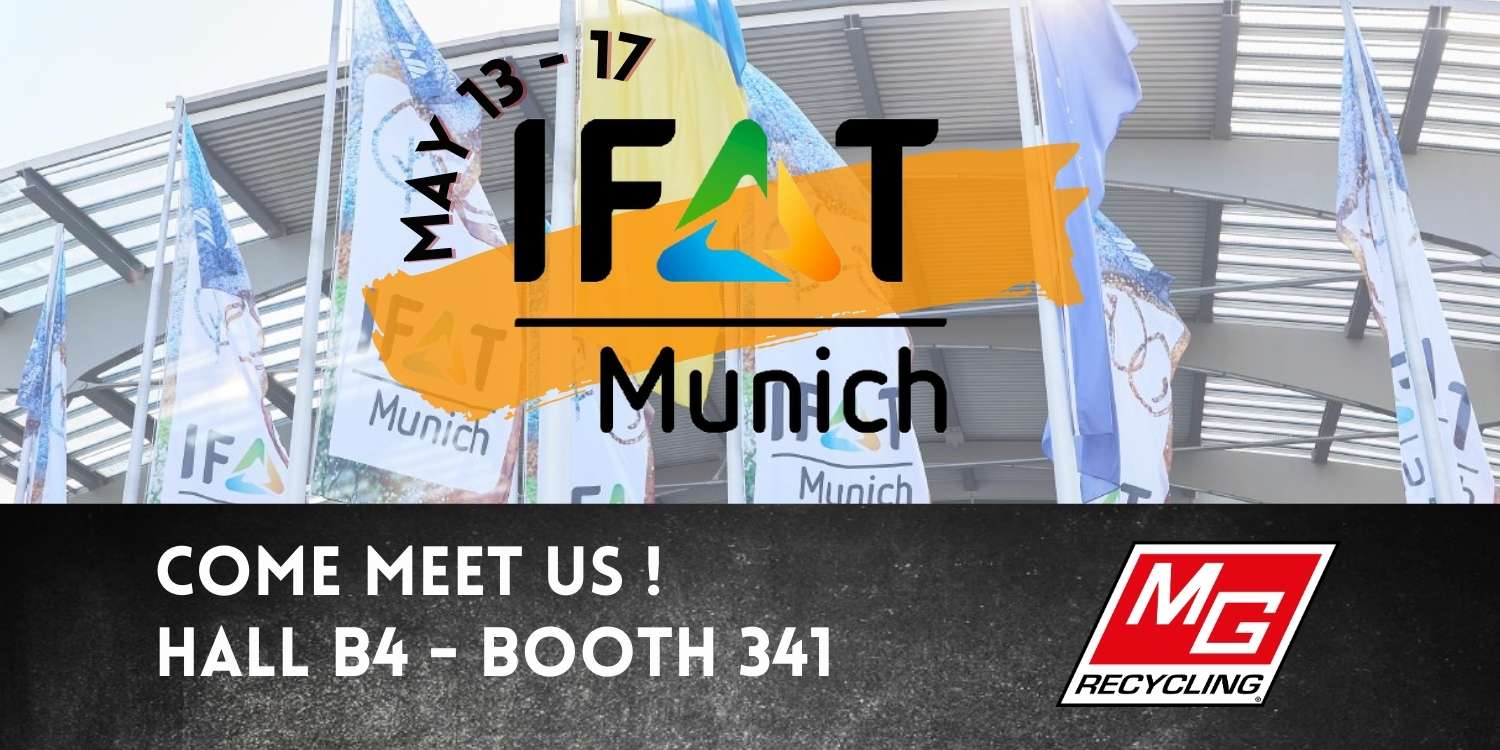

MG Recycling a IFAT 2024 – Monaco (13-17 Maggio)

MG Recycling parteciperà alla fiera IFAT, che si terrà a Monaco dal 13 al 17 Maggio 2024.

IFAT è un evento mondiale per quanto riguarda il riciclaggio e l’ambiente.

Venite a scoprire le nostre novità!

Ci trovate alla HALL B4 – STAND 341

Chiusura Natalizia

MG Recycling informa che gli uffici saranno chiusi dal 27 Dicembre,

e riapriranno regolarmente Lunedì 8 Gennaio 2024. 

Vi auguriamo un sereno Natale e un felice anno nuovo!

Per qualsiasi informazione scriveteci a info@mgrecycling.it


MG Recycling a ECOMONDO 2023


Ci stiamo avvicinando al più importante appuntamento in Italia dedicato alla Green Technology:

la fiera internazionale ECOMONDO si terrà come ogni anno presso il Centro fiera di RIMINI dal 7 al 10 Novembre 2023.

Venite a trovarci presso il nostro stand: HALL A1 STAND 082 per scoprire le novità di quest’anno!

MG Recycling a ECOMONDO 2022


Save the date: ECOMONDO the Green Technology Expo,  8 – 11 Novembre, 2022

Siamo lieti di accogliervi al nostro stand 082 – padiglione A1 a Rimini Fiera per condividere con voi la nostra pluriennale esperienza nella progettazione e costruzione di tecnologie per il riciclaggio.  

Vieni a scoprire i nostri impianti!

MG Recycling a RWM 2022 – Birmingham (14-15 Settembre)

RWM & Letsrecycle Live è l’evento più grande nel Regno Unito per il riciclaggio e la sostenibilità. Noi saremo presenti con il nostro rivenditore JMC Recycling, vieni a trovarci allo stand R-N100 per scoprire le nostre soluzioni per il recupero di rame ed alluminio.

MG Recycling a SRR 2022 – Madrid (14-16 Giugno)

¡Hola, todos!

Dal 14 al 16 giugno, vi aspettiamo al nostro stand 6C10 per la settima edizione della fiera internazionale SRR 2022 a Madrid.

Insieme al nostro rivenditore BRB Comercial vi faremo scoprire le nostre soluzioni per il recupero dei metalli non ferrosi.  

Nos vemos en Madrid.

MG Recycling a IFAT 2022 – Monaco (30 Maggio – 3 Giugno)

Nel 2022 sono tornati gli eventi internazionali in presenza e finalmente la fiera IFAT è alle porte.

MG Recycling parteciperà a questo immancabile appuntamento, allo stand 540, padiglione B4. Il nostro staff sarà lieto di presentarvi l’impianto esposto e di parlarvi dei nostri numerosi prodotti progettati per il riciclo dei cavi in rame ed alluminio e altri scarti differenziati.

Appuntamento alle Fiera di Monaco dal 30 maggio al 3 giugno, non mancate!  

MG Recycling a Eco Waste 2022 – Abu Dhabi (17-19 Gennaio)

MG Recycling parteciperà a World Future Energy Summit, che si terrà all’Abu Dhabi National Centre, dal 17 al 19, gennaio 2022.

Questo evento include 6 Fiere che abbracciano settori specifici finalizzati alla promozione dello sviluppo sostenibile. Vi aspettiamo al nostro stand 3318 – Padiglione 3 alla fiera Eco Waste, dedicata alla gestione dei rifiuti e dei rottami, per farvi scoprire le nostre soluzioni