
Aluminium recycling: a strategic opportunity combining efficiency and financial incentives
Aluminium, as of today, is one of the most valuable resources for modern industry, thanks to its ability to be recycled infinitely without losing its original technical properties. People often overlook just how common this material is in production processes and, above all, how much economic value is lost every time a scrap ends up in the rubbish bin. Recovering this valuable resource is not only an ethical choice, but also a financial move backed by significant government subsidies that reduce investment and operating costs.
Recycling pays off: the Transition 5.0 benefits for aluminium recovery
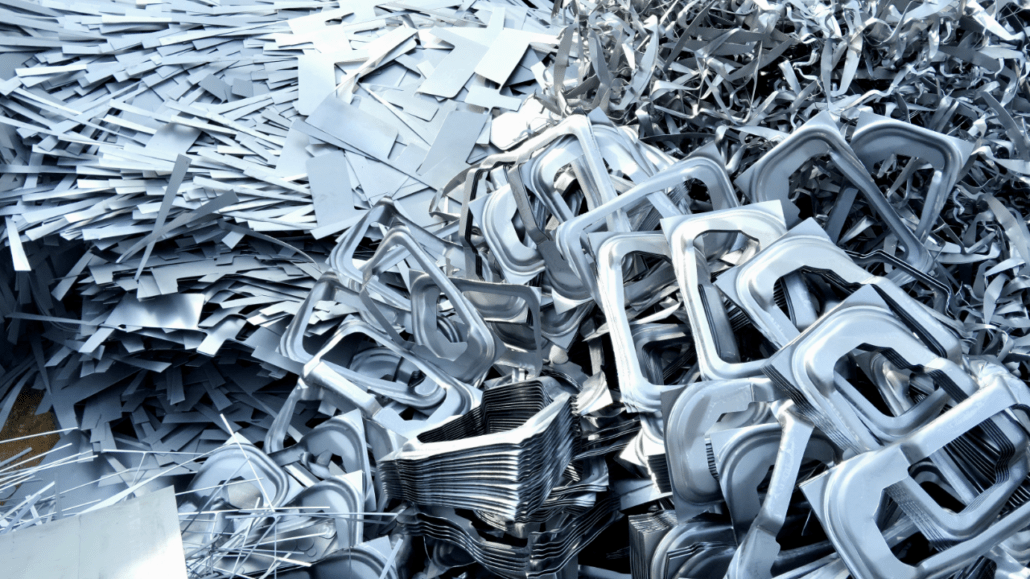
The Transition 5.0 plan offers a great opportunity for companies that generate a lot of production waste (so-called offcuts). The goal is simple: to stop viewing these scraps as waste to be thrown away and start seeing them as a valuable resource. Thanks to government incentives, installing machinery that separates and recovers aluminium can be seen as a wise economic strategy. Recycling aluminium saves up to 95% of the energy required to produce new metal and, thanks to the Transition 5.0 tax credit, the costs of these technologies are drastically reduced.
In this way, the company not only reduces emissions but also optimises its balance sheet thanks to a Return on Investment boosted by government bonus incentives.
From the automotive industry to electronics: manufacturing sectors with the greatest recovery potential
There are numerous industrial sectors that handle tonnes of aluminium every day, often without realising the economic potential hidden in their waste. Many companies view production residues as mere waste to be disposed of, when in fact they possess a valuable resource within their own facilities.
Companies in the Automotive and Transport industries are among the main users of this metal, which is used to manufacture crankcases, engine components and lightweight chassis. Here, the precision involved in recovering defective parts or foundry scraps can make a significant difference to the annual balance sheet.
The Construction and Infrastructure sectors also make extensive use of aluminium for windows and doors, curtain walls and solar panels. In these contexts, extrusion trimmings and discarded profiles represent an immediate source of revenue if processed using the correct granulation technologies.
Lastly, we must not forget electronic goods manufacturers, which handle complex components where aluminium acts as a dissipator device or shell.
For all these businesses, investing in a dedicated recovery system doesn’t just mean benefiting the planet. It also means no longer having to buy new metal at full price when raw material is already available in-house, ready to be regenerated, a process made even more affordable thanks to government subsidies.

